When to Rewrite an Application and When to Refactor It Instead
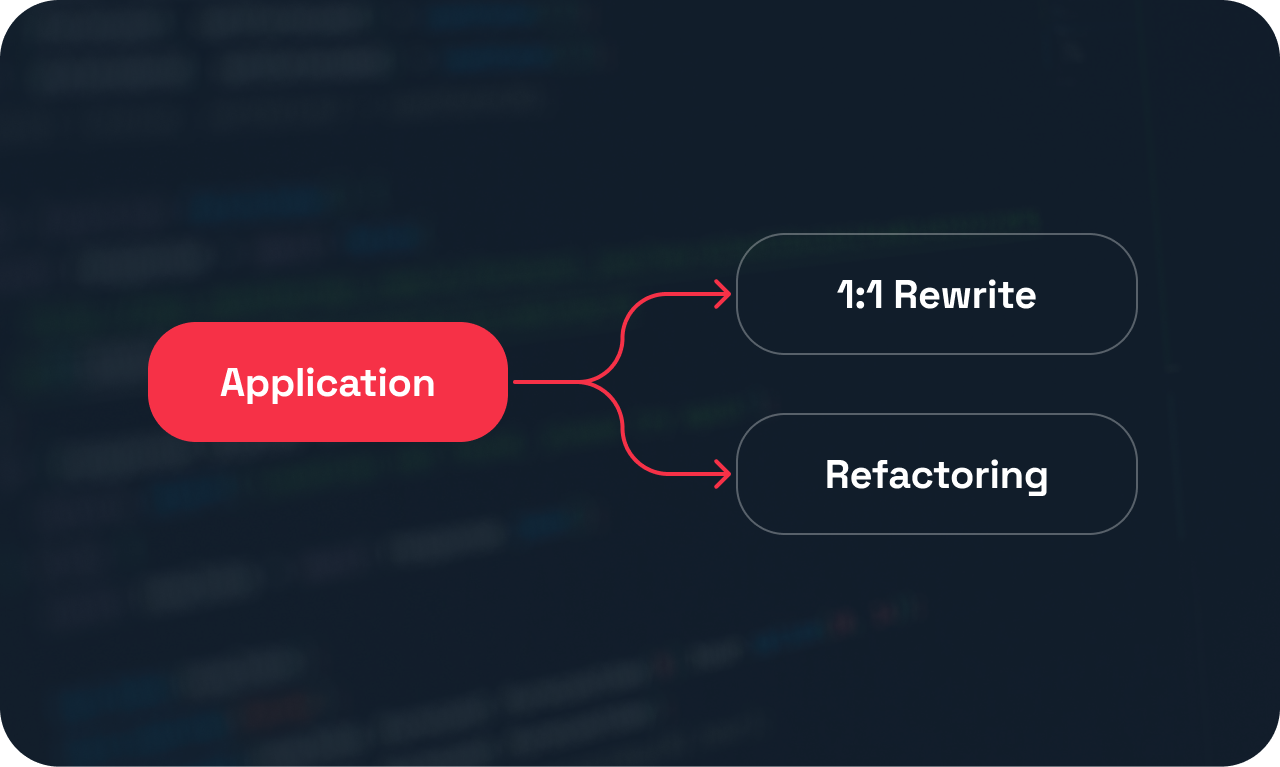
Older applications are not automatically bad. The problem begins when they slow down development, increase costs, limit business growth, or become so fragile that developers are afraid to touch them. At that point, companies face a critical question: should they rewrite the application from scratch or refactor it incrementally?
A complete rewrite can help eliminate long-standing issues. However, it can also turn into an expensive parallel project that never reaches production. Refactoring is often the safer and more cost-effective option. But if the system is in very poor condition, refactoring may simply postpone the inevitable.
The decision should therefore not be based on the feeling that "the system looks outdated." It should be based on risk, cost, business priorities, and the actual technical condition of the application.
When Refactoring Makes Sense
Refactoring is the right choice when the application still fulfills its purpose, but further development is becoming increasingly difficult and time-consuming.
Typical warning signs include:
-
New features take longer to implement than they used to
-
The same bugs keep reappearing
-
Developers are hesitant to make changes in certain parts of the system
-
Tests or documentation are missing
-
The application works, but is difficult to maintain
-
The architecture is far from ideal, but not completely broken
In these situations, there is usually no need to throw the entire system away.
A more effective approach is often to improve the most critical parts of the application step by step:
-
Isolate problematic modules
-
Add automated tests
-
Simplify overly complex code
-
Clean up dependencies
-
Improve monitoring and observability
-
Standardize deployment processes
-
Eliminate the most costly areas of technical debt
By addressing these issues incrementally, companies can improve maintainability, reduce risk, and increase development velocity without the cost and disruption of a full rewrite.
The main advantage of refactoring is lower operational risk. The company continues to use the existing system while improvements are introduced gradually. This makes the impact on the business easier to control and reduces the likelihood of major disruptions.
When to Consider a Rewrite
A full application rewrite only makes sense when the existing system has become a significant obstacle.
Not just a technical obstacle, but a business one.
Typical warning signs include:
-
The application cannot scale to meet growing demand
-
Every change breaks another part of the system
-
The underlying technology is no longer supported
-
Development has become extremely slow
-
The system has serious security issues
-
There are no longer enough developers with the required expertise
-
The architecture no longer reflects how the business operates today
-
The application prevents the company from launching new products, integrations, or business models
At that point, the discussion is no longer about writing cleaner code. The software is actively limiting the company's operations or growth. A rewrite can be the right decision if years of ongoing fixes and workarounds would ultimately cost more than a controlled modernization effort.
The Biggest Risk of a Rewrite: Parallel Reality
Rewriting an application often sounds simple: “Let's rebuild it from scratch and do it properly this time.
In reality, however, the company usually has to maintain two worlds at the same time:
-
The existing application in production
-
The new application under development
This means duplicate costs, divided attention, and often two separate teams.
The most common risks of a rewrite include:
-
The new system is never fully completed
-
The project scope grows uncontrollably
-
The legacy system continues to evolve during development
-
Data migration turns out to be more complex than expected
-
Users reject the new way of working
-
The business waits too long before seeing any value
For this reason, a complete rewrite from scratch is often the highest-risk option. That does not mean it is the wrong choice. It simply means that it must be planned, managed, and executed extremely carefully.
The Best Approach Is Often a Combination of Both
In practice, the decision is rarely as simple as choosing between refactoring everything or rewriting everything. In many cases, a hybrid approach delivers the best results.
For example:
-
Keep the stable parts of the application unchanged
-
Refactor critical modules
-
Gradually replace the most problematic components
-
Build new features using a more modern architecture
-
Break the rewrite into smaller phases instead of one large project
This approach significantly reduces risk. The company does not have to wait a year for a completely new system. Improvements are delivered incrementally, while the parts that still work continue to provide value.
How to Make the Right Decision
Before deciding whether to refactor or rewrite, it is worth answering a few key questions:
-
How much does maintaining the application cost today?
-
How long does it take to deliver a typical change?
-
Where do most defects and issues occur?
-
Which parts of the system are truly business-critical?
-
Is documentation available and up to date?
-
Are there automated tests?
-
Can more than one person effectively maintain and develop the application?
-
Is the current system limiting business growth?
-
Is the main problem in the codebase, architecture, infrastructure, or development processes?
Without clear answers to these questions, a rewrite is often little more than an expensive guess.
A good starting point is a technical audit.
A technical audit helps determine whether it makes more sense to:
-
Controlled refactoring
-
Partial modernization
-
Gradual replacement of individual modules
-
A complete application rewrite
When Not to Rewrite
Rewriting an application is usually not the right choice simply because:
-
The technology is no longer the latest trend
-
Developers dislike working with legacy code
-
A new team wants to start with a clean slate
-
Competitors are using a more modern technology stack
-
Management is looking for a quick fix to technical debt
Legacy code is not automatically bad. It only becomes a problem when it increases costs, creates operational risks, or limits business growth. Are you trying to decide whether your application should be rewritten, refactored, or modernized incrementally?
Let's discuss your current situation and identify the safest and most cost-effective path for your project.