How to Choose the Right Domain for Your Website: An IT Company’s Perspective
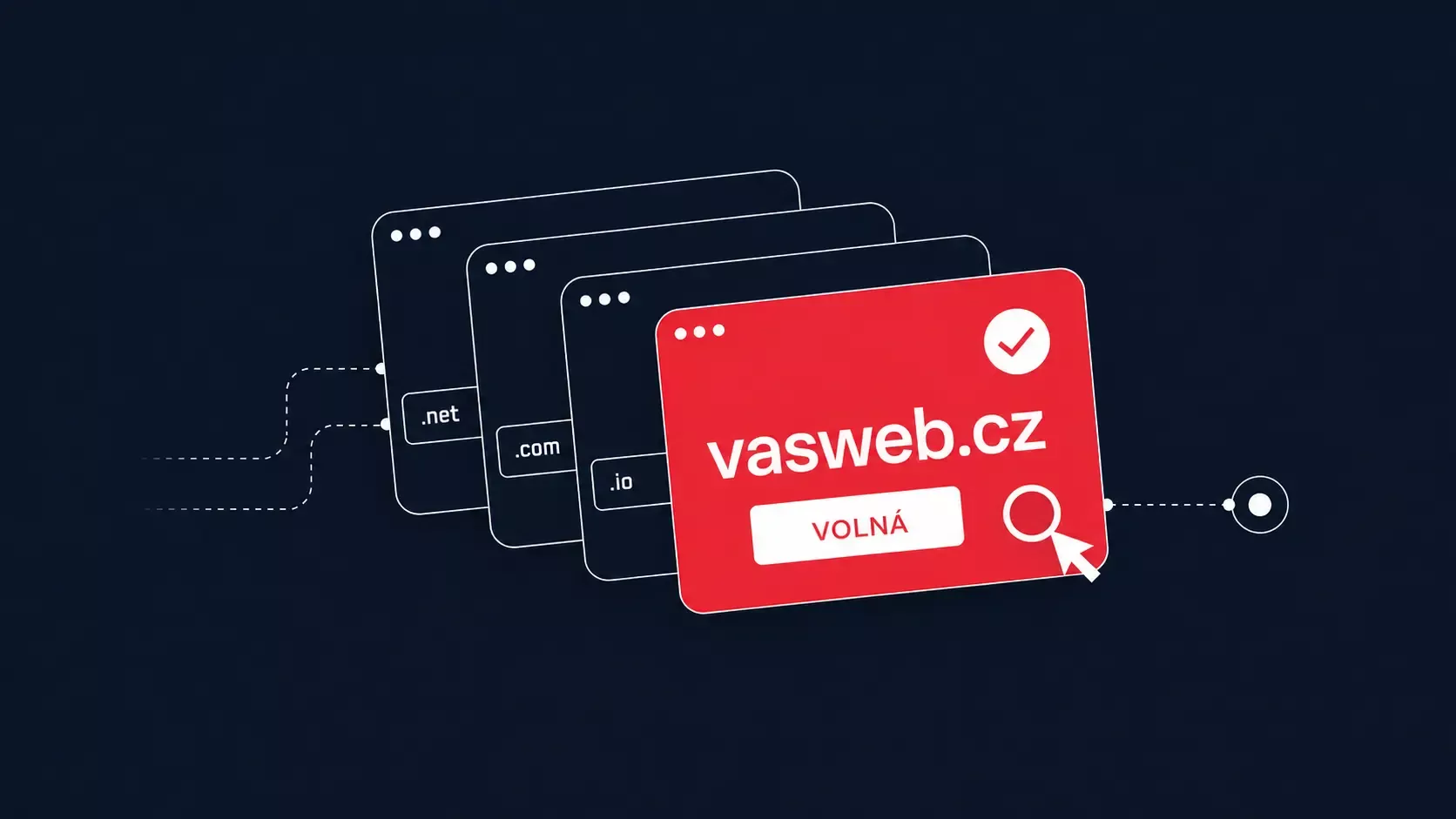
Choosing a domain is often seen as a marketing decision. In reality, it is both a technical and strategic decision that can affect how a company operates for many years.
From our experience developing web applications and information systems, domain-related problems rarely arise during registration. They tend to emerge years later, when a company grows, expands internationally, implements new systems or undergoes a rebrand.
That is when the quality of the original domain strategy becomes clear.
A domain is not just a website address. It is part of a company’s infrastructure.
Many companies see their domain merely as the address of their website.
In reality, a domain is connected to:
- Corporate email accounts
- CRM systems
- ERP systems
- Authentication services
- Cloud platforms
- API communication
- Marketing tools
- Customer portals
When a company changes its domain after several years, it is often not migrating just its website.
It is migrating its entire digital infrastructure.
This can require tens or even hundreds of hours of work.
The biggest mistake: Choosing a domain based on the current product
We see this mistake repeatedly.
A company launches a project:
levnerezervace.cz
Two years later:
- A mobile application is launched
- A CRM system is added
- A B2B portal is introduced
- The company expands into international markets
Suddenly, the company realises that the original name limits the entire product.
It then has to deal with:
- Rebranding
- SEO migration
- New domains
- New email addresses
The few hours originally saved when choosing the domain turn into a project costing tens of thousands of Czech crowns.
How a domain affects the future development of applications
When designing web applications, we often work with an architecture such as:
app.company.comapi.company.comcrm.company.comportal.company.comsupport.company.com
If the domain has not been chosen with this architecture in mind, problems can arise, including:
- Complicated SSL certificate management
- More complex DNS administration
- Authentication issues
- Cookie-related problems across subdomains
That is why we recommend choosing a domain with the system’s future architecture in mind—not just its marketing potential.
.cz or .com? A technical perspective
Most articles focus on branding.
We focus on the future of the project.
If a company is planning to target:
- International clients
- A SaaS product
- Multiple language versions
We recommend securing both of the following from the outset:
company.czcompany.com
The main reason is not SEO, but brand protection and future flexibility.
Purchasing a domain later can cost significantly more than registering it today.
Security: The topic most articles ignore
A domain is an important part of a company’s security strategy.
We recommend implementing:
DNSSEC
Protection against forged DNS records.
SPF
Protection against email spoofing.
DKIM
Verification of the sender’s authenticity.
DMARC
Management of email security policies.
A surprising number of companies have a high-quality website but an incorrectly configured domain infrastructure.
This can result in:
- Spam
- Phishing
- Email deliverability issues
Domain and SEO migration
One of the most expensive mistakes can occur when changing a domain.
If the migration is not handled correctly:
- Search rankings may be lost
- Domain authority may decline
- Indexing errors may occur
A domain migration is not simply a marketing task.
It is a technical project.
It typically includes:
- A 301 redirect strategy
- Sitemap updates
- Google Search Console configuration
- Indexing monitoring
- Internal link checks
Domain strategy for SaaS projects
For SaaS applications, we recommend addressing the domain strategy during the project analysis phase.
Typical options include:
Subdomains
customer1.company.comcustomer2.company.com
Advantages:
- Easier administration
- Lower costs
Customers’ own domains
portal.customer.com
Advantages:
- Stronger customer branding
Disadvantages:
- More complex infrastructure
- More complicated SSL management
These questions need to be addressed before development begins—not after the system has been launched.
What do we recommend to our clients?
When choosing a domain, we recommend considering five areas at the same time:
- Branding
- The company’s future growth
- Technical architecture
- Security
- International expansion
If a domain is selected solely based on marketing criteria or name availability, problems may arise that only become apparent as the company grows.
That is why we consider domain selection a strategic decision that should form part of the design of the company’s entire digital ecosystem.